Source automobile signal jst connector cable for Auto, Motor, Phone
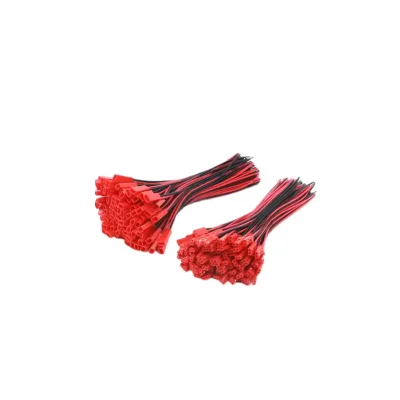
Find 30 listings for automobile signal jst connector cable tailored for automotive, motorcycle, and mobile phone applications. Buyers can compare specifications including voltage, material, and customization options from verified suppliers.
Key considerations
Products List




Comprehensive Sourcing Guide
Strategic Sourcing Guide for Automobile Signal JST Connector Cables
Understanding Technical Specifications and Core Components
When sourcing automobile signal JST connector cables, buyers must first distinguish between the specific signal requirements and the physical construction of the harness. The market offers a diverse array of configurations, ranging from low-voltage wiring harnesses designed for automotive applications to those intended for general electronic or computer use. A critical observation in the current supply landscape is the variation in conductor materials. While some listings specify copper clad aluminum wire, others explicitly state the use of red copper wire or standard copper conductors. For high-reliability automotive signal applications, the distinction between these materials is vital, as pure copper generally offers superior conductivity and tensile strength compared to aluminum-clad alternatives.
The insulation and jacketing materials also present significant variability. Common outer insulation options observed in the market include PVC, rubber, silicone, polyethylene (PE), and polyurethane (PU). The choice of material often depends on the specific environmental conditions the cable will face, such as exposure to heat, oils, or abrasion. For instance, silicone and rubber are frequently selected for their flexibility and temperature resistance, whereas PVC is often chosen for its cost-effectiveness and general durability. Furthermore, the shape of the wire and the harness assembly varies; buyers may encounter rectangular, round, or strip-shaped configurations. The wire gauge is another customizable parameter, with typical ranges observed between 18 and 30 AWG, allowing for precise tailoring to current-carrying requirements.
The interface type and signal classification are equally important. While some products are marketed as general signal wiring harnesses, others are specifically designed for low-voltage applications. The connector interfaces can range from AC/DC types to specific power cable configurations like three-pin setups. In the context of JST connectors, which are prevalent in automotive electronics, the pin count is a defining characteristic. Listings frequently mention 4-pin configurations, but the actual pin count must be verified against the specific vehicle or electronic system requirements. The assembly class, whether it involves crimping or injection molding, also dictates the manufacturing process and the final mechanical strength of the connection.
Compliance, Certification, and Regulatory Standards
Navigating the compliance landscape is a non-negotiable aspect of sourcing automotive-grade components. The automotive industry demands rigorous adherence to safety and environmental standards. In the observed product data, a wide spectrum of certifications is listed, including CCC (China Compulsory Certification), RoHS (Restriction of Hazardous Substances), CE, ISO, VDE, and ISORoHS. Buyers must treat these certifications as observations of specific product batches rather than universal guarantees for all listed items. It is essential to verify that the specific batch of JST connector cables intended for the supply chain holds the necessary certifications for the target market.
For automotive applications, the CCC and RoHS certifications are particularly significant as they address local Chinese manufacturing standards and global environmental restrictions on hazardous materials like lead and mercury. The presence of VDE certification indicates compliance with German safety standards, which is often a benchmark for high-quality electrical components. Similarly, ISO certification suggests that the manufacturer adheres to international quality management systems. However, the listing of "ISORoHS" as a combined attribute suggests a specific compliance package that may differ from standard ISO or RoHS certifications. Buyers should request valid, up-to-date certificates for the specific model numbers, such as SR-SH01TC or SR-XH254, to ensure they are not purchasing non-compliant inventory.
The standard of the product is often listed as "Customized," which implies that the manufacturer can tailor the product to meet specific regulatory requirements. This flexibility is advantageous but requires clear communication of the target market's regulatory environment. For example, if the automotive components are destined for the European market, CE marking is mandatory. If the destination is North America, additional UL or SAE standards might apply, which are not explicitly mentioned in the general product attributes but should be verified. The origin of the products is consistently listed as China, which necessitates a thorough review of the manufacturer's ability to navigate international trade compliance and export regulations.
Cost Drivers and Pricing Dynamics
The pricing structure for automobile signal JST connector cables is influenced by several dynamic factors, primarily material costs, customization levels, and order volume. The observed price range in the market spans from $0.03 to $80 per unit, a wide disparity that reflects the diversity of product complexity. A unit priced at the lower end of this spectrum is likely a standard, off-the-shelf component with minimal customization, utilizing common materials like PVC insulation and standard copper conductors. Conversely, items priced near the upper limit likely involve complex assembly processes, specialized materials such as silicone or rubber jackets, and custom engineering for specific automotive applications.
Material selection is a primary cost driver. The difference between using copper clad aluminum wire and pure red copper wire can significantly impact the unit price, with pure copper generally commanding a higher cost due to its superior performance and market value. Similarly, the choice of outer insulation material plays a role; silicone and rubber are typically more expensive than PVC. The customization of the wire gauge, length, and shape also adds to the cost. While standard lengths are available, the ability to provide customized lengths, as noted in the product specifications, introduces additional manufacturing steps and tooling costs.
Order volume, represented by the Minimum Order Quantity (MOQ), is another critical factor. The observed MOQ range is from 1 to 1000 units. Buyers seeking small quantities may face higher per-unit costs due to the lack of economies of scale, while those ordering in bulk can negotiate more favorable pricing. The packaging method, typically cartons, also contributes to the overall cost, especially for large orders where packaging efficiency becomes a significant expense. Buyers should analyze the total cost of ownership, including potential savings from bulk purchasing, against the flexibility of smaller MOQs for prototyping or low-volume production runs.
Typical Applications and Industry Use Cases
The versatility of automobile signal JST connector cables is evident in their broad range of applications. While the core keyword focuses on automotive use, the observed data indicates that these components are also utilized in electronic, computer, mobile phone, and motorcycle industries. In the automotive sector, these cables are essential for connecting various electronic control units (ECUs), sensors, and lighting systems. The low-voltage signal wiring harnesses are particularly suited for transmitting data and control signals within the vehicle's electrical architecture.
Beyond the automotive domain, the applications extend to power stations, where voltage ratings of low and medium voltage are relevant. The presence of specific interface types, such as IEC female ends and NEMA male ends, suggests utility in power distribution and industrial settings. For computer and network applications, the cables serve as monitor cables, USB printer cables, and general data transmission links. The "Strip" and "Round" shape options allow for integration into various electronic assemblies, from compact mobile devices to larger computer systems.
The specific model numbers, such as SR-SH01TC and SR-XH254, indicate standardized designs that can be adapted for multiple uses. The "Waterproof" feature highlighted in the attributes is particularly valuable for automotive applications where exposure to moisture and varying weather conditions is common. This feature ensures the reliability of signal transmission in harsh environments. Additionally, the ability to customize the color to black or other specific hues allows manufacturers to match the aesthetic requirements of the vehicle's interior or exterior components.
Supplier Evaluation and Selection Criteria
Selecting the right supplier for automobile signal JST connector cables requires a meticulous evaluation of their capabilities and track record. Buyers should prioritize suppliers who demonstrate a clear understanding of the specific technical requirements, such as the ability to produce both crimping and injection molding assembly classes. The availability of customization is a key indicator of a supplier's flexibility and capacity to meet unique project needs. Suppliers offering customized wire gauges, lengths, and insulation materials are better positioned to support complex automotive projects.
The origin of the products, consistently listed as China, suggests a robust manufacturing base, but buyers must verify the supplier's quality control processes. The presence of multiple certifications like CCC, RoHS, CE, and ISO is a positive signal, but it is crucial to confirm that these certifications are current and applicable to the specific products being sourced. Buyers should also assess the supplier's ability to handle the observed MOQ range, ensuring they can accommodate both small prototype orders and large-scale production runs without compromising quality.
Transparency in material sourcing is another critical evaluation point. Given the variation in conductor materials (copper vs. copper clad aluminum) and insulation types (PVC, rubber, silicone), buyers should request detailed material specifications and traceability documentation. The supplier's experience in the automotive wiring harness industry, as indicated by the "Industry Type" attribute, should be verified through case studies or client references. A supplier with a proven track record in delivering waterproof and high-reliability cables for automotive applications is preferable to one with a general electronic focus.
Quality Control and Long-Term Procurement Considerations
Ensuring the long-term reliability of automobile signal JST connector cables requires a robust quality control framework. Buyers should implement strict incoming inspection protocols to verify that the received goods match the agreed-upon specifications regarding wire gauge, insulation material, and connector pin count. The "Customized" nature of many attributes means that even minor deviations can lead to significant performance issues in the field. Regular audits of the supplier's manufacturing processes, particularly regarding crimping and injection molding, are essential to maintain consistency.
Long-term procurement considerations also involve the stability of the supply chain. The ability of the supplier to maintain consistent lead times and manage inventory is crucial for automotive manufacturers who operate on tight production schedules. The observed lead times and production capacities should be discussed and formalized in supply agreements. Additionally, buyers should consider the potential for future customization needs. As vehicle designs evolve, the requirement for new wire gauges, lengths, or insulation materials may arise. A supplier with a strong R&D capability and a history of successful customization, as suggested by the "Customized" attributes in the product data, is better equipped to support these future needs.
Finally, the environmental and regulatory landscape is constantly changing. Buyers must stay informed about updates to RoHS, REACH, and other environmental regulations that may affect the materials used in cable manufacturing. A proactive supplier will anticipate these changes and adjust their material sourcing accordingly. By maintaining a close relationship with a supplier who prioritizes compliance and quality, buyers can ensure a steady supply of high-performance automobile signal JST connector cables that meet the rigorous demands of the automotive industry.
Comparative Analysis of Product Attributes
To facilitate a clearer understanding of the available options, the following table summarizes the key variations observed in the product attributes. This comparison highlights the diversity in materials, certifications, and specifications that buyers must navigate.
| Attribute Category | Observed Variations | Implication for Sourcing |
|---|---|---|
| Conductor Material | Copper Clad Aluminum Wire, Copper, Red Copper Wire | Pure copper offers better conductivity; aluminum-clad may be cost-effective but requires verification for automotive safety. |
| Insulation Material | PVC, Rubber, Silicone, PE, PU | Silicone and rubber offer better heat/abrasion resistance; PVC is standard for general use. |
| Certifications | CCC, RoHS, CE, ISO, VDE, ISORoHS | Verify specific certifications for target markets; ISO and VDE indicate high quality standards. |
| Wire Gauge | 18-30 AWG, Customized | Critical for current capacity; ensure the gauge matches the vehicle's electrical load requirements. |
| Shape | Rectangular, Round, Strip | Affects routing and space utilization within the vehicle's harness assembly. |
| Assembly Class | Crimping, Injection Molding | Injection molding often provides higher mechanical strength and environmental sealing. |
| Waterproof Feature | Yes (Waterproof), No | Essential for under-hood or exterior automotive applications to prevent signal failure. |
| Origin | Made in China, China | Requires verification of export compliance and quality control standards for international shipping. |
This table serves as a reference for buyers to systematically evaluate potential suppliers and ensure that the selected components align with the specific technical and regulatory requirements of their automotive projects. By carefully analyzing these attributes, buyers can mitigate risks and secure a reliable supply of high-quality JST connector cables.
FAQs
What certifications are available for these cables?
Available certifications include CCC, RoHS, CE, ISO, VDE, and ISORoHS. Buyers must verify specific batch certificates for models like SR-SH01TC to ensure compliance with target market regulations.
Which conductor materials are used in these harnesses?
Conductor materials vary between copper clad aluminum wire and pure red copper wire. Pure copper generally offers superior conductivity, making it preferable for high-reliability automotive signal applications.
Can the wire length be customized for specific needs?
Yes, customized lengths are available, with standard ranges observed from 0.5 to 5 meters. Buyers should specify exact requirements as the standard is listed as customized to fit unique project needs.
What insulation materials are used for the outer jacket?
Outer insulation options include PVC, rubber, silicone, PE, and PU. The choice depends on environmental conditions, with silicone and rubber offering better flexibility and temperature resistance than PVC.
How is the minimum order quantity determined for these items?
The minimum order quantity ranges from 1 to 1000 units depending on the supplier and customization level. Smaller orders may have higher per-unit costs due to a lack of economies of scale.
What assembly classes are used for these wiring harnesses?
Assembly classes include crimping assembling and injection molding assembly. The selection depends on the required mechanical strength and the specific manufacturing process capabilities of the supplier.